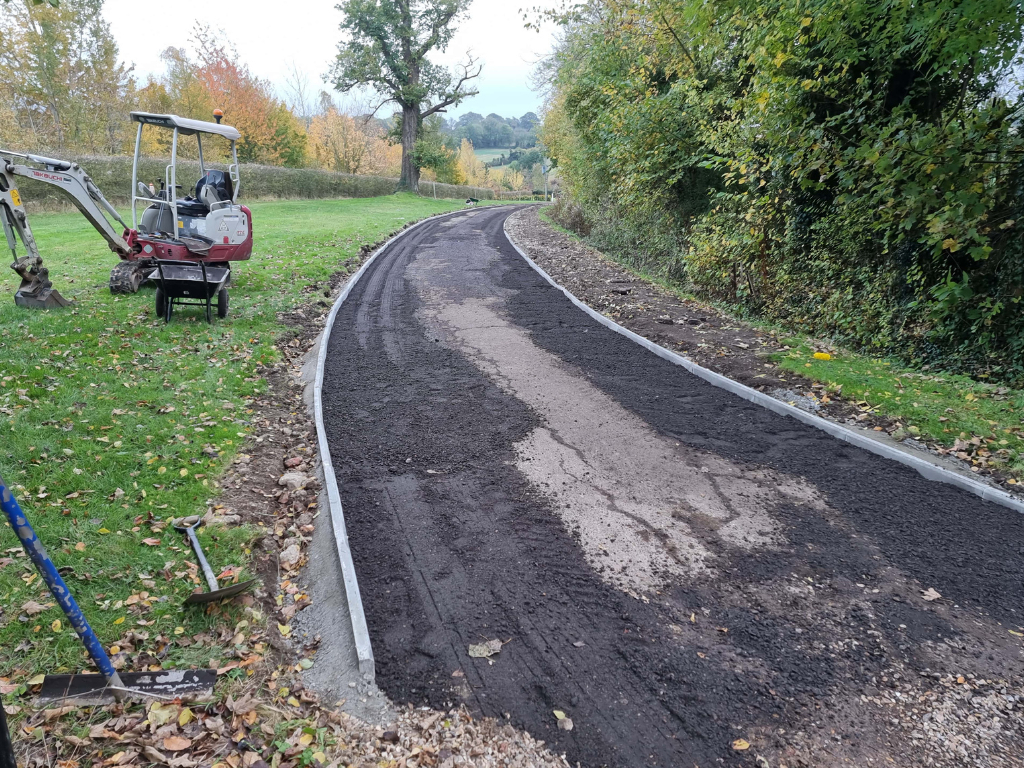
How to Plan Tarmac Surfacing for Properties with Multiple Access Points
Properties with more than one access point require careful planning when installing or upgrading tarmac surfacing. Whether a site has separate entrances for vehicles, pedestrian access, delivery areas or connections to different parts of the grounds, each section needs to work together as part of a practical and well-designed layout.
A properly planned tarmac surface can improve accessibility, create clearer routes and provide a consistent finish across the property. For property owners in Lowestoft, Suffolk, considering how each access point will be used before work begins helps ensure the finished surface meets everyday requirements.
Assessing How Each Access Point Will Be Used
The first step is to understand the purpose of every entrance and how people and vehicles will move through the property. Not all access points will experience the same level of traffic, so the surfacing design should reflect their individual uses.
For example, a main entrance may need to accommodate regular vehicle movements, while a secondary access point might be used mainly for occasional deliveries or pedestrian entry. Some properties may also require access for larger vehicles, which need sufficient turning space and suitable surface strength.
Assessing these requirements helps establish the appropriate layout, surface construction and connection points between different areas.
Planning Vehicle Routes and Turning Areas
Where several access points serve the same property, vehicle movements should be considered as a whole. Poorly planned routes can lead to congestion, awkward manoeuvres and unnecessary wear in frequently used areas.
A practical layout should account for:
- Entrance widths: Ensure access points are suitable for the vehicles expected to use them.
- Turning space: Allow enough room for vehicles to enter, turn and leave without mounting edges or damaging surrounding areas.
- Traffic flow: Consider whether entrances should support separate entry and exit movements.
- Delivery access: Identify areas where larger vehicles may need additional clearance.
- Parking connections: Ensure the tarmac surface links access points with parking areas and other important parts of the property.
Planning these details early helps create a layout that is easier to navigate and more convenient to use.
Establishing Suitable Levels and Drainage
Drainage is particularly important on properties with multiple entrances because water can collect where different sections of surfacing meet. Changes in levels, gradients and connections to existing surfaces need to be carefully considered.
The finished tarmac should encourage water to flow towards suitable drainage points rather than allowing it to gather around entrances, building foundations or frequently used routes.
Each access point should also connect smoothly with the surrounding ground, roads or existing paving. Poorly managed level changes can create awkward transitions and increase the risk of surface deterioration.
Selecting the Right Tarmac Construction
The construction requirements may vary depending on how each section of the property will be used. Areas carrying regular vehicle traffic may need a different specification from pedestrian routes or lightly used access points.
The existing ground conditions, expected loading and condition of the sub-base should all be assessed before installation. A properly prepared foundation is essential for supporting the tarmac and helping prevent premature cracking, rutting and settlement.
Using a suitable construction throughout the property helps maintain consistency while ensuring individual areas are designed for their intended purpose.
Creating Smooth Connections Between Surfaced Areas
One of the main challenges with multiple access points is ensuring that all surfaced sections connect properly. Poorly finished joints or abrupt changes in levels can affect both appearance and usability.
The design should consider how the main driveway connects with secondary entrances, parking spaces, pathways and service areas. Edges should be properly formed, and transitions should be finished to provide a neat, continuous layout wherever practical.
A coordinated approach also helps avoid unnecessary differences in surface levels and creates a more organised appearance across the property.
Planning the Installation Around Property Use
Where a property has several access points, installation work needs to be organised carefully to minimise disruption. The sequence of work should take account of which entrances must remain available and whether temporary alternative access can be arranged.
Preparing the site in manageable stages may help maintain access while different sections are surfaced. Clear planning also allows groundwork, drainage improvements and tarmac installation to be coordinated effectively.
Conclusion
Planning tarmac surfacing for a property with multiple access points involves more than choosing a suitable surface material. Vehicle movements, entrance dimensions, drainage, ground preparation and connections between different areas all influence the success of the finished installation.
Lowestoft Driveway Solutions provides professional driveway and surfacing services in Lowestoft, Suffolk. If your property has several entrances or requires a more practical surfaced layout, contact the team to discuss your requirements and arrange an assessment.
Call us on: 01502 447 997
Click here to find out more about Lowestoft Driveway Solutions
Click here to complete our contact form and see how we can help with your driveways.